


The new Applied Research Center’s mission is to conduct research that can provide input for public policies. FAPESP is partnering with the Maria Cecilia Souto Vidigal Foundation and INSPER to mount the initiative.

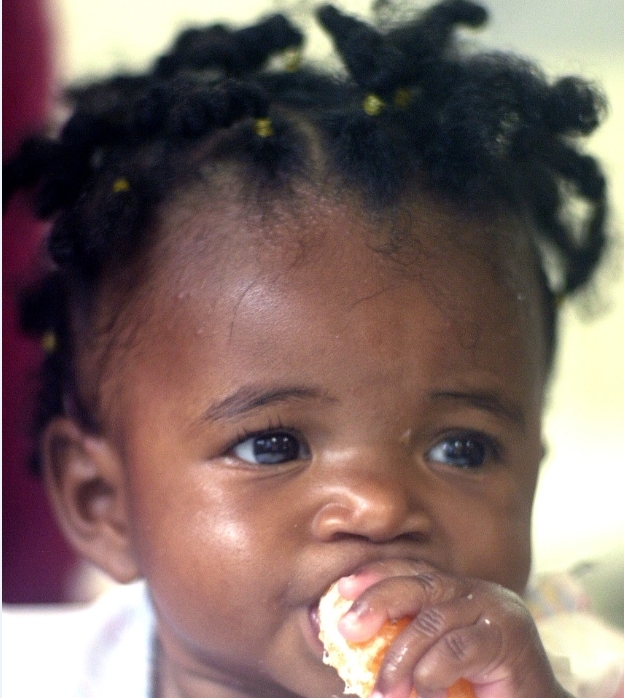
According to a study published in Frontiers in Immunology, the reason is their genetic heterogeneity and lack of proportional representation in the Brazilian bone marrow bank.
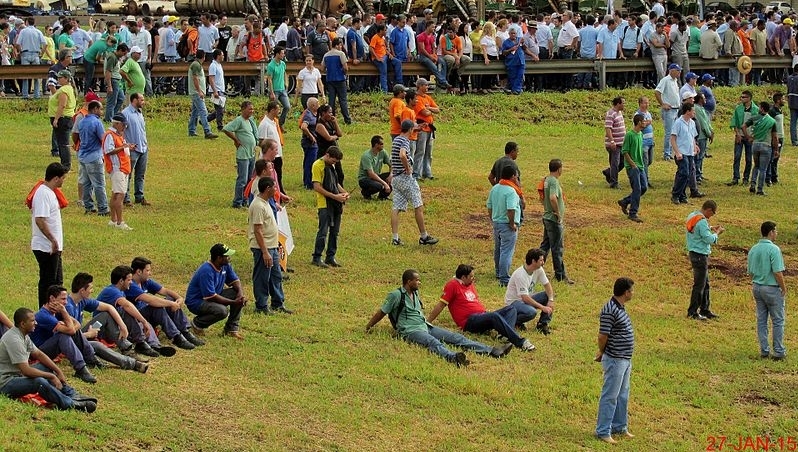
Black people and women are worst-off – blacks because they mainly work in the informal sector and women because they are mainly considered non-essential workers.
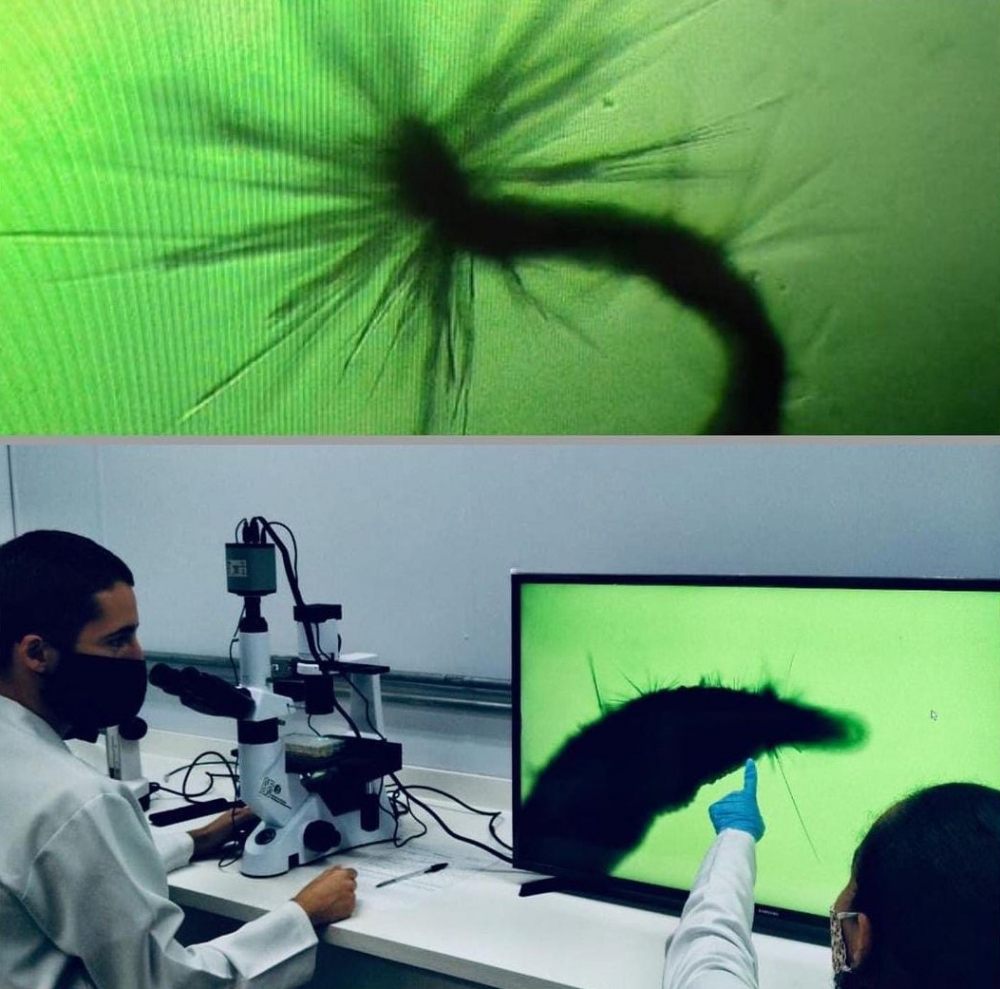
In vitro studies and experiments with mice show that the natural extract was more effective than the only drug available to combat this parasitic disease.
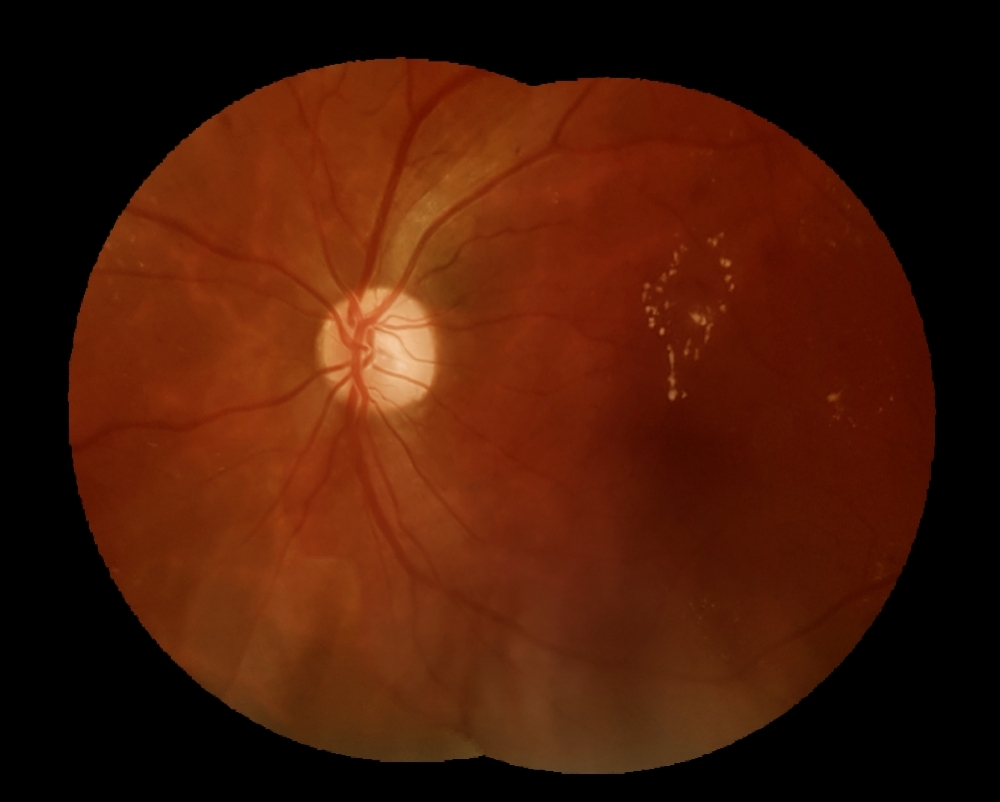
Researchers examine retinas and find high prevalence of type 2 diabetes as well as ocular problems caused by the disease.
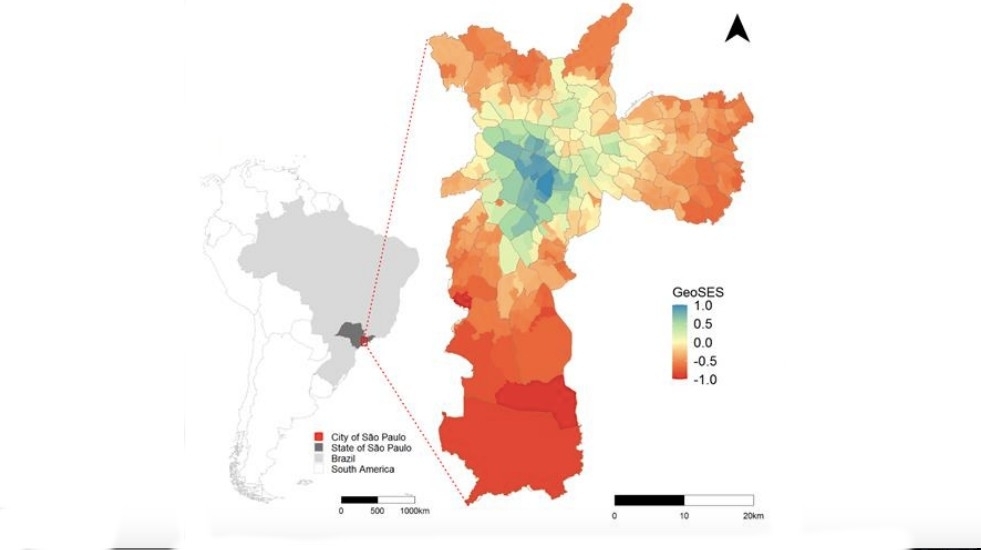
Study correlated confirmed and suspected COVID-19 deaths in the city of São Paulo between March and June with socio-economic data on area in which deceased patients lived, showing that such deaths peaked in mid-May.
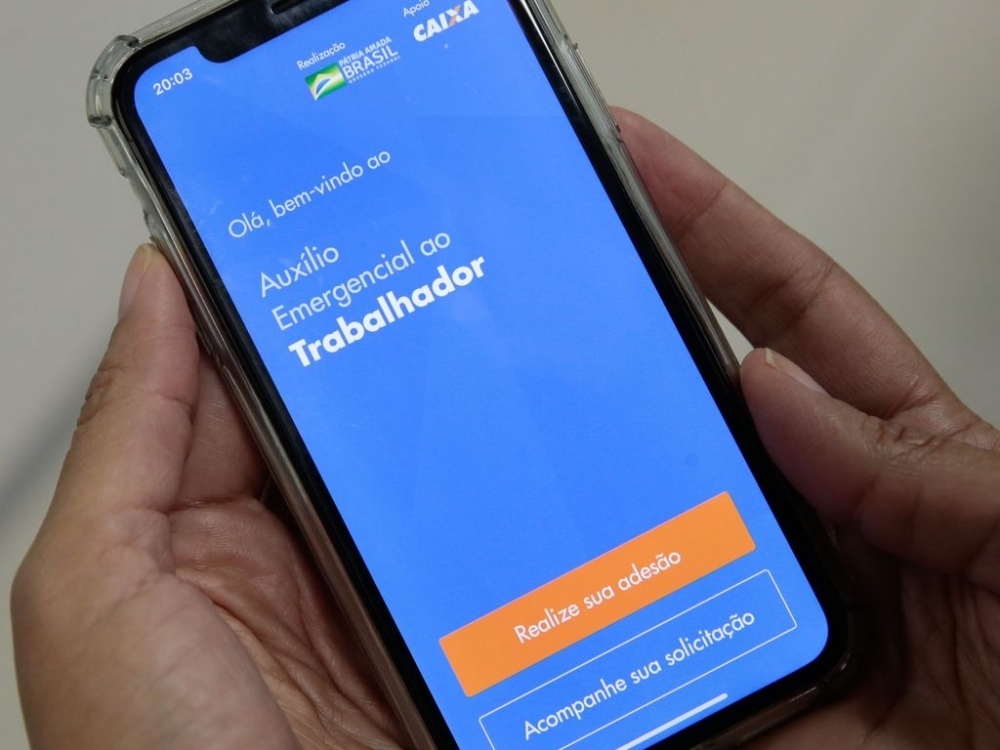
Economists who took part in a webinar organized by FAPESP to discuss options for the post-pandemic economic recovery said this is the right time to implement broad basic income policies.
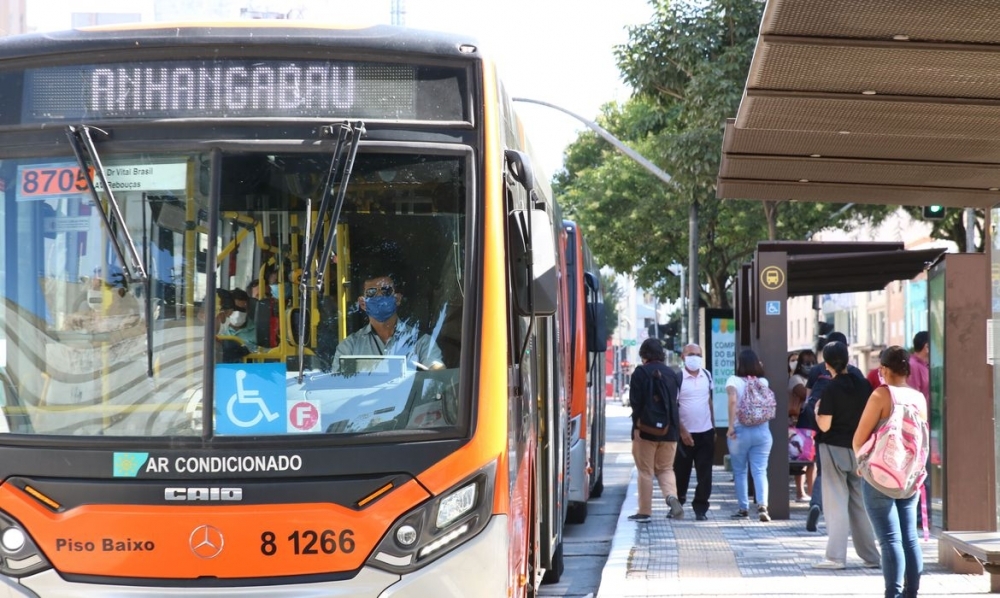
A study of São Paulo city shows that neighborhoods with more hospitalizations and deaths from coronavirus coincide with areas whose inhabitants have been unable to shelter at home.
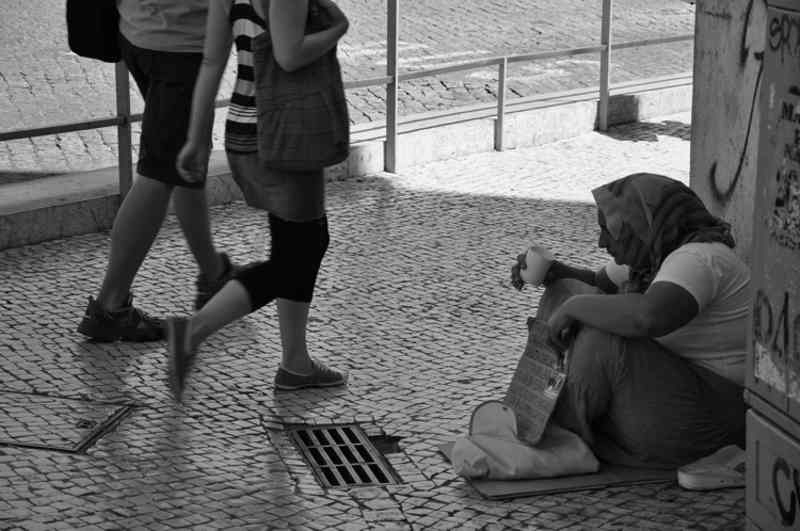
Scientific Director Luiz Eugênio Mello is taking part in a group charged with providing scientific support to the United Nations Research Roadmap for the COVID-19 Recovery.
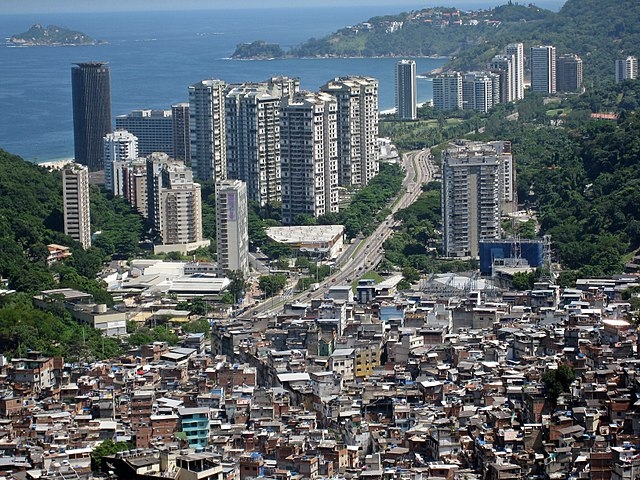
The study will analyze how the disease affects different communities in Brazil and the US based on social and demographic characteristics related to drivers of environmental vulnerability.
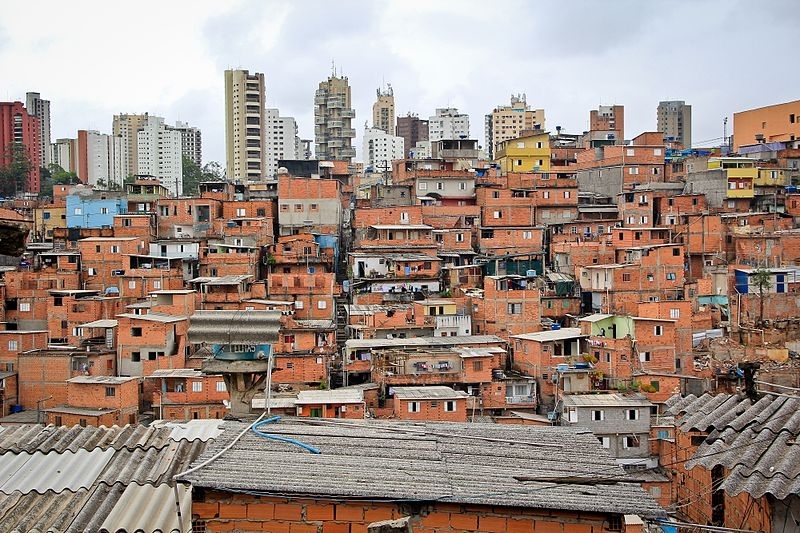
Study shows that São Paulo City has eight distinct urban groups in economic, social and cultural terms, making effective action against the pandemic a challenge.
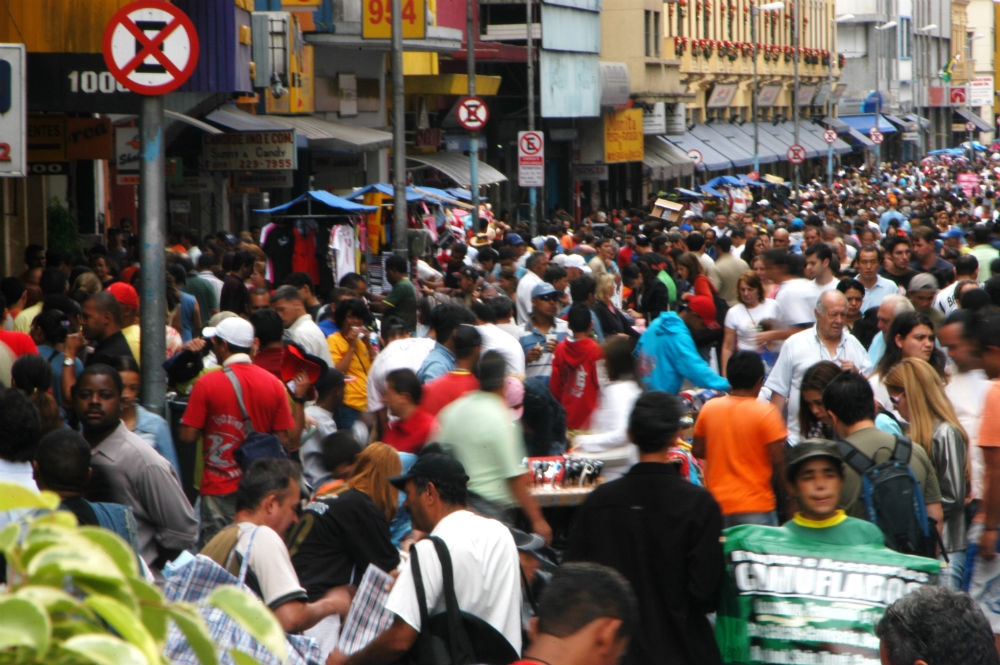
Only 13.8% of the workforce has jobs in sectors not badly hit by social isolation according to a research network set up to propose ways of improving the quality of government policies for dealing with the crisis.
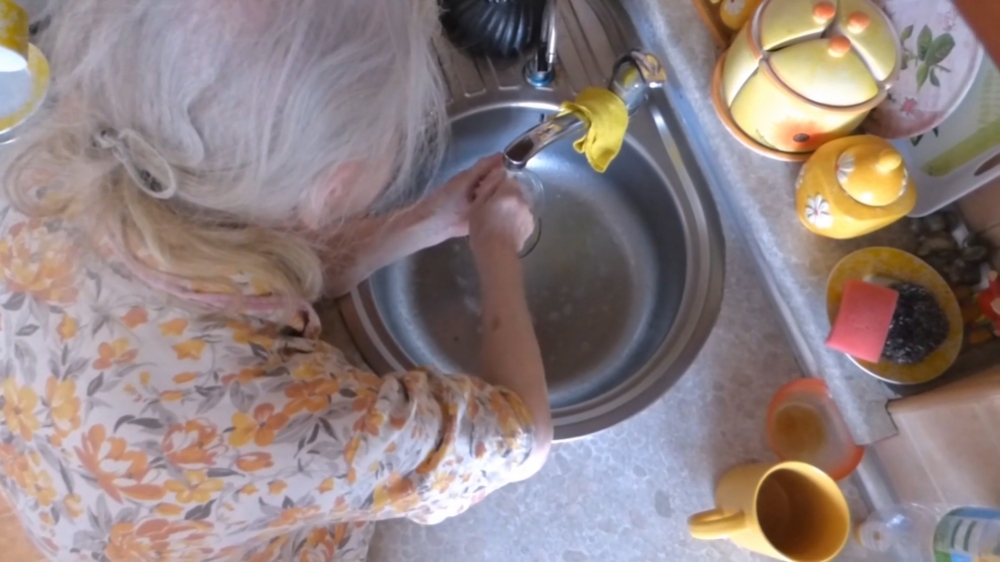
Some 300,000 older people live alone in São Paulo City, and more than 8,000 say they have no one to turn to for help. A study supported by FAPESP describe their vulnerability in the ongoing public health crisis.
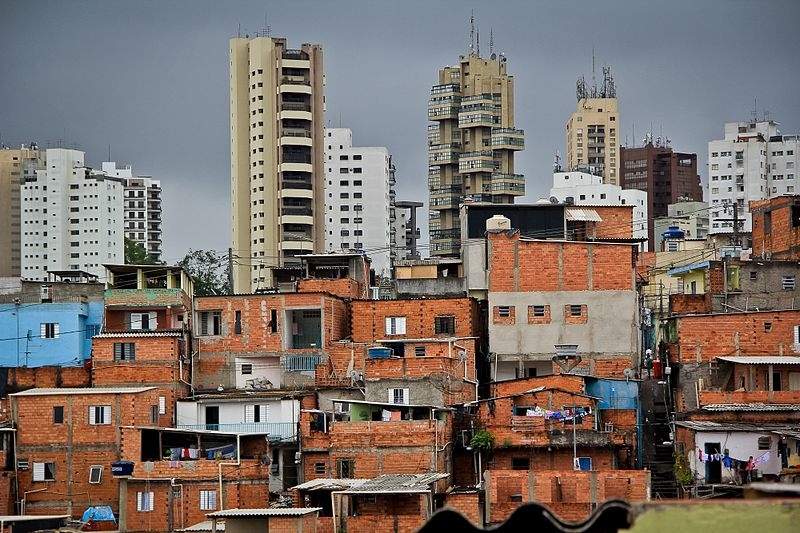
Research by the FAPESP-funded Center for Metropolitan Studies (CEM) shows that it is not feasible to separate high-risk groups in low-income communities, where the majority of the Brazilian population live. The problem is especially acute in the Southeast region, with metropolitan São Paulo displaying the largest deficit.


