


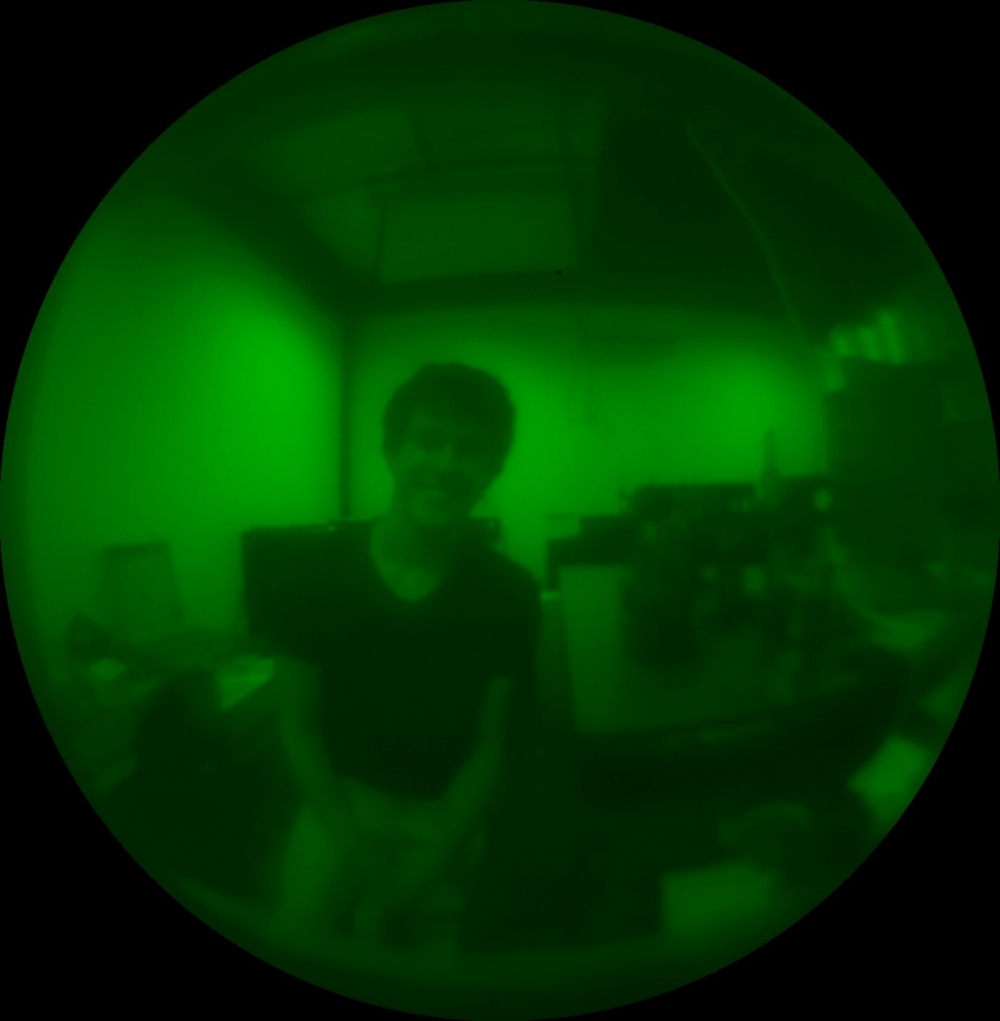
The lens can be used to produce high-resolution images with a wide field of view. It can serve as a camera lens in smartphones and can be used in other devices that depend on sensors.
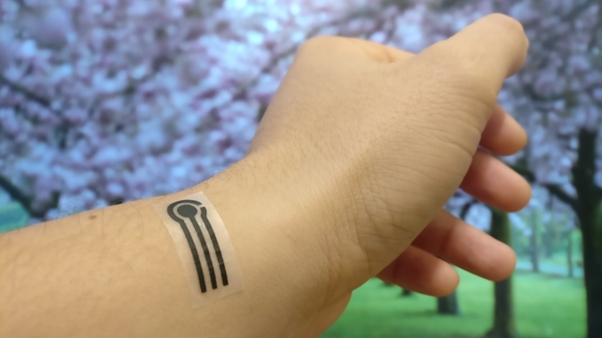
Applied to skin as a piece of sticking plaster, the device developed by Brazilian researchers can be used to monitor human metabolism and administer drugs.
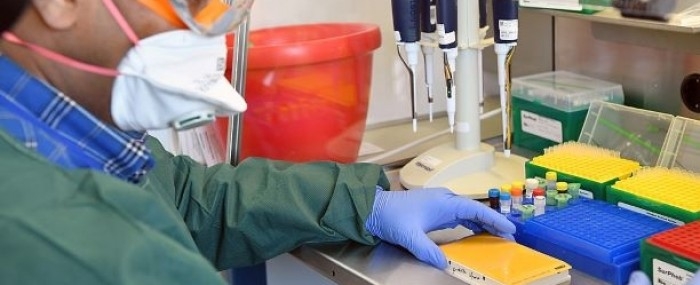
Through a project supported by FAPESP, the São Paulo-based firm is developing an RT-qPCR diagnostic kit in which all reactions take place in a single tube.
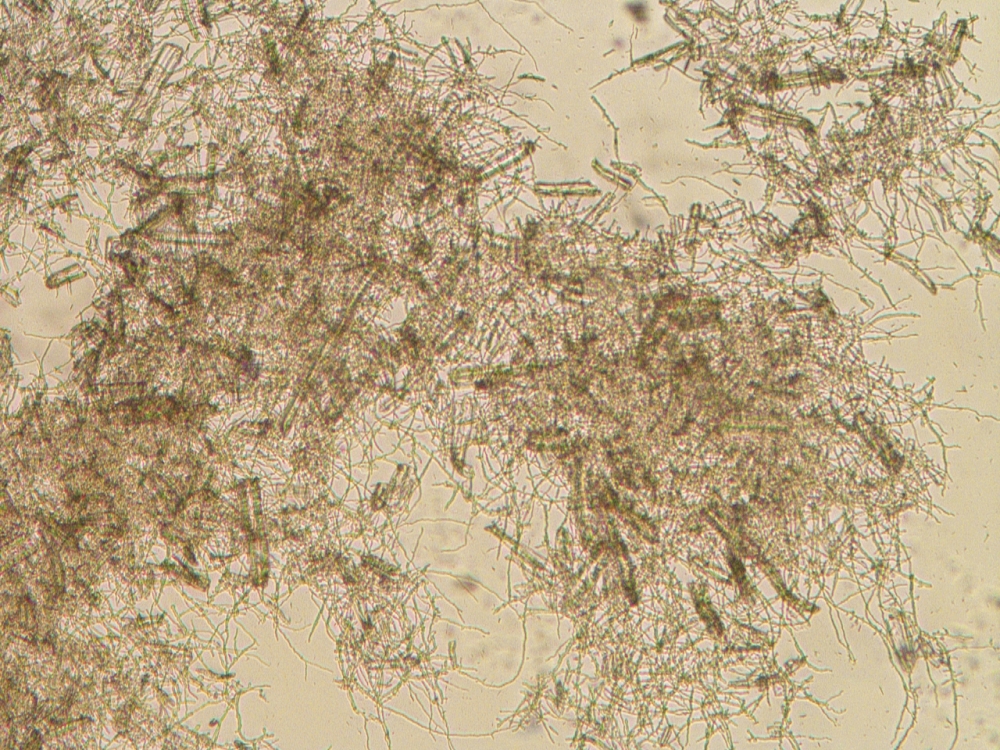
Brazilian researchers used genetic engineering to develop a low-cost platform for the production of enzymes that break down sugarcane trash and bagasse for conversion into biofuel. The novel molecules have many potential industrial applications.
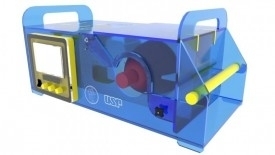
Ten units of the device developed at the university’s Engineering School (POLI-USP) began operating at Hospital das Clínicas in July.
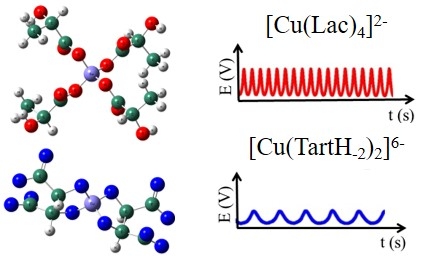
Possible applications range from sensors to fuel cells. The researchers are affiliated with the University of Campinas, and their work is featured on the cover of the current issue of ChemElectroChem.
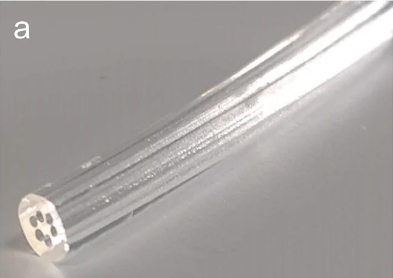
Edible, biocompatible and biodegradable, these fibers have potential for various medical applications. The results are described in the journal Scientific Reports.

Program developed by startup with FAPESP’s support was initially designed to train cognitive skills and help improve physical fitness but will now have extended functionality.
Platform created by FAPESP in partnership with University of São Paulo, Albert Einstein Jewish Hospital, Hospital Sírio-Libanês and Fleury Group begins providing access to data for more than 177,000 patients, 5 million clinical examinations and 9,600 outcomes.

Project supported by FAPESP aims to help triage suspected COVID-19 patients.

In laboratory tests, the material inactivated 99.9% of SARS-CoV-2 in two minutes. The technology developed by the startup, which is supported by FAPESP, will be used to produce face masks and hospital apparel.
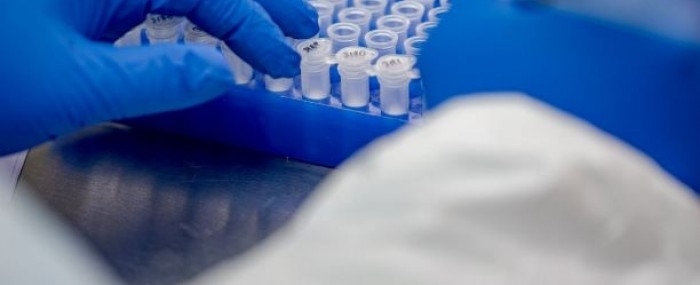
The project is supported by FAPESP’s Innovative Research in Small Business Program. The firm plans to produce ELISA kits that will detect antibodies against the novel coronavirus in blood serum.
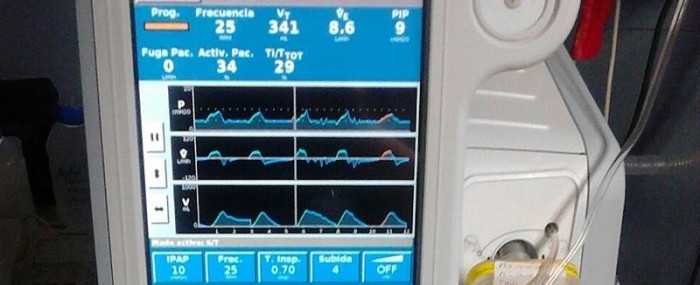
Through a project supported by FAPESP, the São Paulo-based firm Setup is developing two portable ventilators. More robust and easier to operate than standard devices, they are designed for use in ICUs and field hospitals.
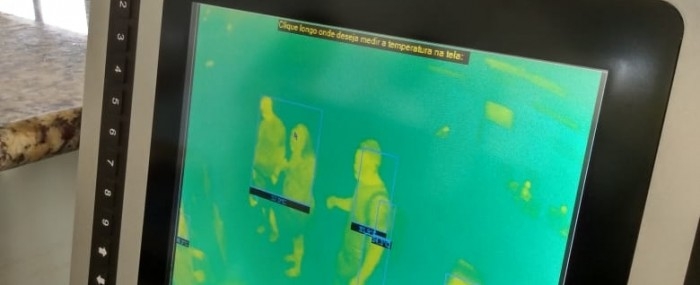
Company supported by FAPESP is developing a smart visible and thermal spectrum imaging system to spot people with fever in schools, malls or offices.
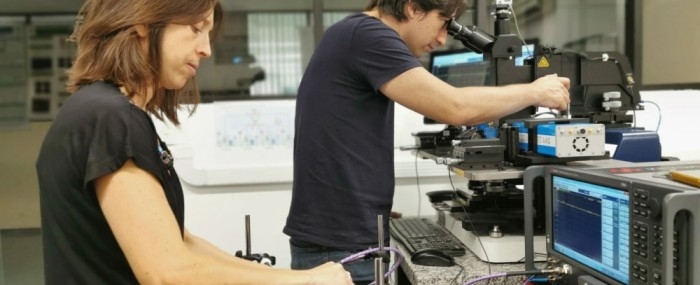
Companies and research groups can use the infrastructure at the University of São Paulo to obtain measurements and develop equipment, circuits and devices that operate at frequencies up to 110 gigahertz.
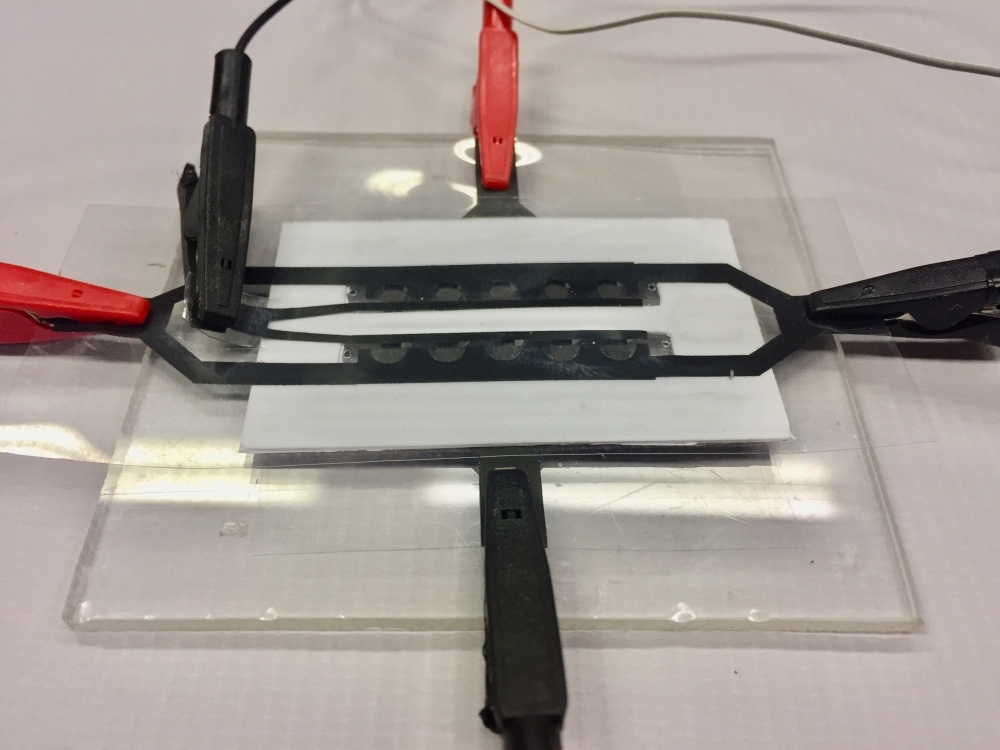
The device will identify parts of the virus’s RNA in the saliva of infected subjects. Other initiatives by the research group at the Federal University of São Carlos include developing sensors to look for the pathogen in the air and in sewerage systems.
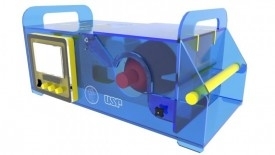
Created at the University of São Paulo’s Engineering School (POLI-USP), the machine costs approximately 7% as much as a conventional ventilator and can be freely manufactured by companies that obtain approval from the national health surveillance authority.
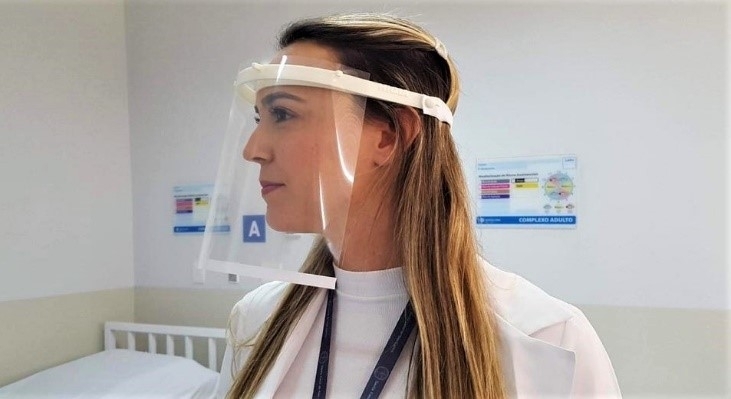
3D printed face shields are worn by frontline health workers over a conventional surgical mask.

Based on the Internet of Things, the system was developed in a project supported by FAPESP. Patients can be advised to seek hospital care if they detect a deterioration in clinical signs.
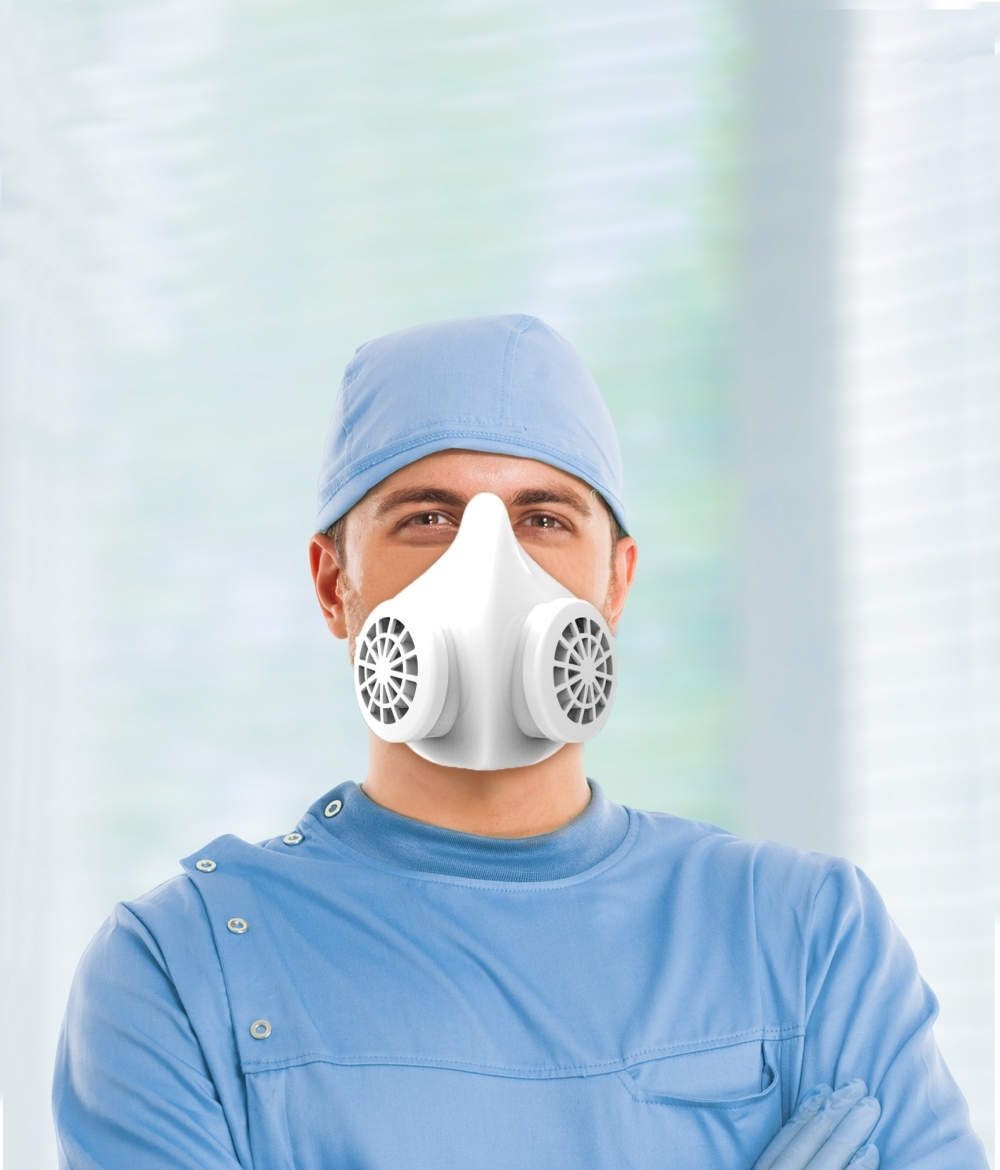
Developed with FAPESP’s support via its small business program, the N95-type respirator is made of material containing silica-silver microparticles with antimicrobial and antifungal properties that hinder surface adhesion by SARS-CoV-2.
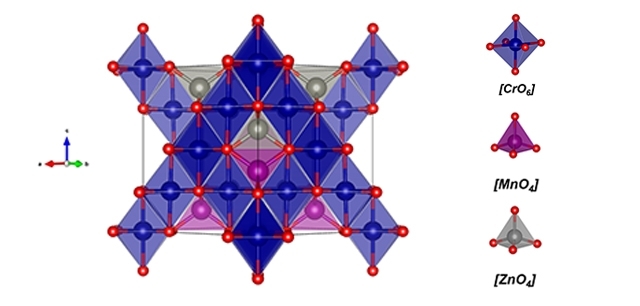
Thanks to its magnetic properties, the material – zinc-doped manganese chromite – can be used in a range of products, from gas sensors to data storage devices.
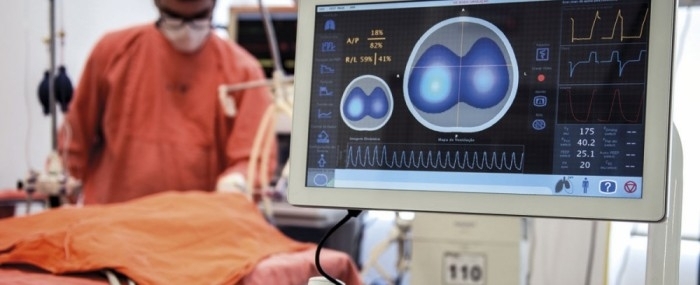
Electrical impedance tomography system developed by startup based in São Paulo minimizes complications associated with mechanical ventilation and is used in the treatment of COVID-19 by hospitals in Italy, Spain and the US.
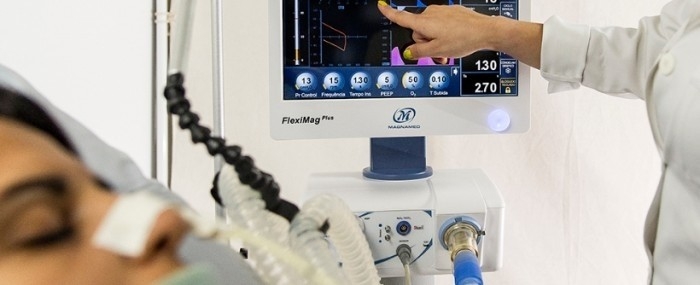
Based in São Paulo, Magnamed will produce 6,500 ventilators by August for use in treating COVID-19 patients, working in partnership with a pool of leading Brazilian and multinational corporations.
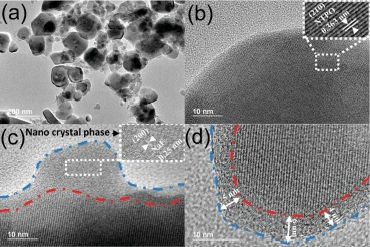
The review article by researchers at the University of São Paulo shows the advantages of this technological alternative, which is nontoxic and much cheaper than other methods.
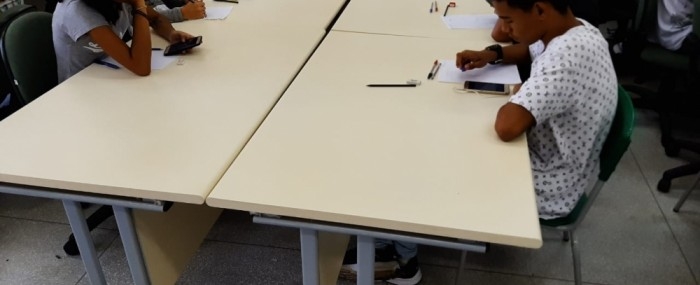
Tool developed by a firm supported by FAPESP is being used to assess student learning in primary and secondary schools in the state of São Paulo.


